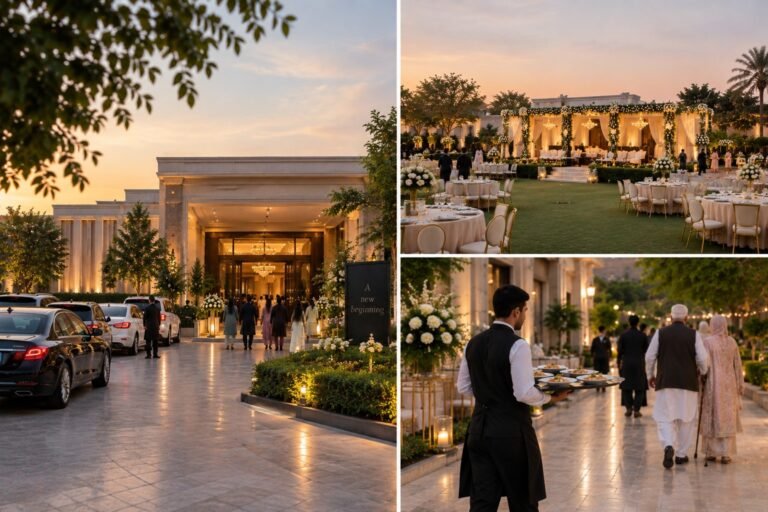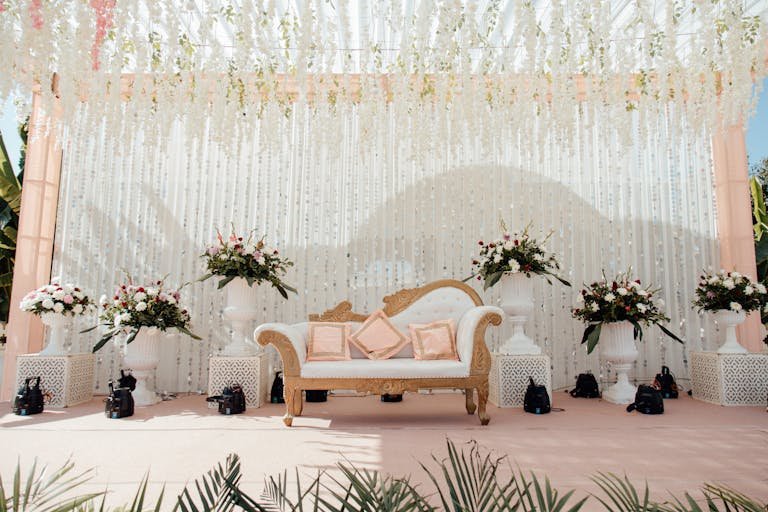
Choosing between a farmhouse and a banquet hall changes much more than the look of your event. It affects privacy, layout freedom, weather risk, catering logistics, guest movement, parking, setup time and the final amount you spend to make the venue work.
That is why a useful farmhouse vs banquet hall comparison should start with the event you are planning, not with a general claim that one option is “better.” A private mehndi, an indoor walima, a child’s birthday and a company dinner can all need very different things from the same space.
If you are still defining your guest count, budget and operating plan, begin with Homyn’s event planning in Pakistan guide. If you already have a shortlist, the how to choose an event venue guide gives you a practical framework for checking capacity, access, guest flow and booking terms.
Quick answer: A farmhouse often suits events where privacy, outdoor space, custom layouts and vendor flexibility matter most. A banquet hall often suits events where indoor predictability, built-in service infrastructure, climate control and a simpler one-space setup matter most. The better choice depends on the actual property, the event format and what is included in the booking.
Farmhouse vs Banquet Hall: What Actually Changes?
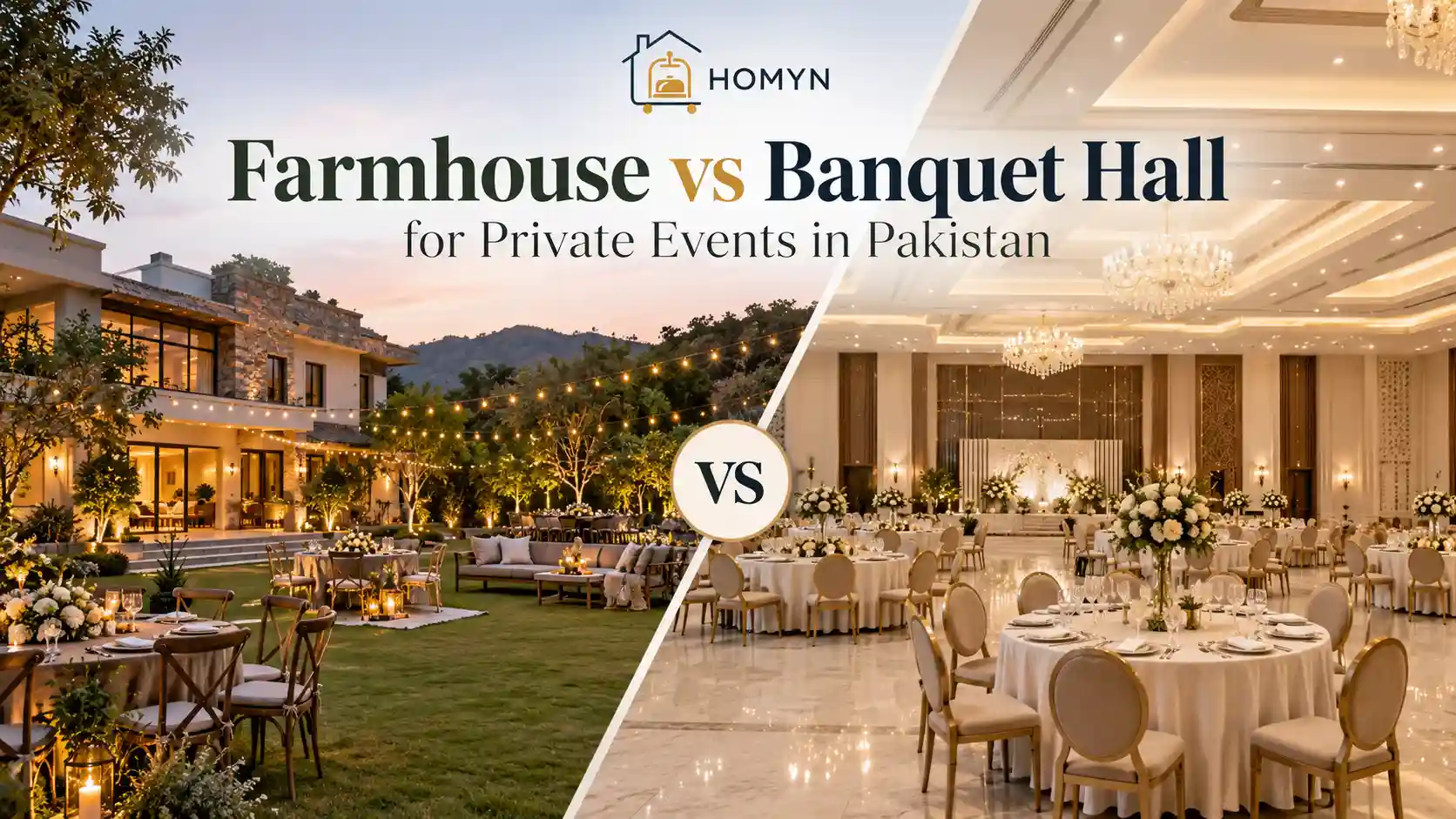
The visual difference is obvious: one may give you lawns, gardens, terraces and private rooms; the other may give you a purpose-built indoor hall with a stage, dining area and service team. The operational difference is more important.
A farmhouse can give an organiser more room to design the event from scratch. That freedom is valuable, but it also means someone must think through flooring, weather, lighting, power, service routes and where guests move if the lawn becomes uncomfortable. A banquet hall may solve more of those basics for you, but the trade-off can be stricter rules, less exclusivity, less control over vendors or a layout that is harder to change.
Neither description should be treated as a rule. Some farmhouses are highly event-ready. Some banquet halls allow outside vendors and extensive customisation. Always compare the exact properties, not the labels
Read Also: How to Choose an Event Venue in Pakistan: A Practical Selection Guide 2026
When a Farmhouse Works Well for a Private Event
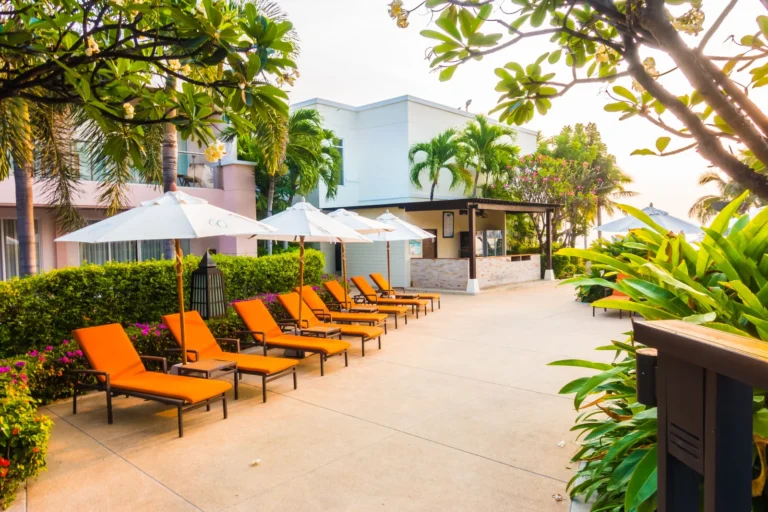
A farmhouse becomes attractive when the property itself is part of the experience. Open lawns, trees, a pool, terraces or a private house can create several event zones instead of forcing every moment into one room.
Privacy and exclusivity
Private properties can work well for families or organisations that do not want unrelated guests sharing corridors, lobbies or adjacent halls. Privacy can matter during nikkahs, family functions, VIP gatherings, executive dinners and events where children need a controlled boundary.
Flexible layouts and atmosphere
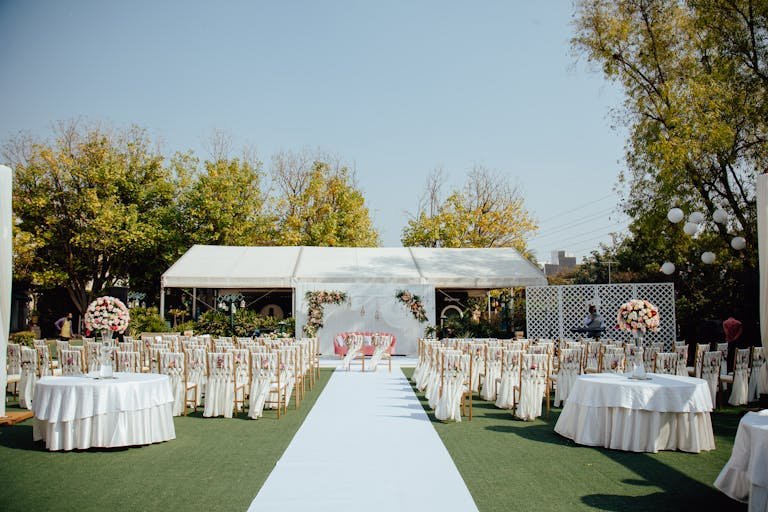
Outdoor space gives decorators and planners more freedom to create separate areas for the stage, dining, photography, children, lounges or brand installations. The result can feel less standardised than a fixed hall layout. That same flexibility creates more planning decisions, so the floor plan should be finalised before décor grows around it.
Connected indoor and outdoor spaces
Some farmhouses and private villas let a host use a lawn for the main gathering while keeping indoor rooms for close family, organisers, speakers, children or preparation. For multi-day family events, certain properties may also offer overnight accommodation. Event capacity and sleeping capacity should always be confirmed separately.
The trade-offs to check
Outdoor freedom comes with exposure. Rain is only one concern. Heat, cold evenings, wind, wet lawns, uneven surfaces, insects and poor pathway lighting can all affect guest comfort. Ask what the real indoor backup is, how quickly the event can move, and whether the backup can hold the same seated layout.
Power also deserves a specific conversation. Decorative lighting, catering equipment, DJ systems, heaters, coolers, projectors and event production can create a much higher load than normal residential use. “Generator available” is not enough; confirm what it supports and what the fallback plan is.
When a Banquet Hall Works Well
A banquet hall is designed around events, so many of the basic systems may already be in place: an indoor room, service areas, furniture, lighting, cooling or heating, catering routines and a team familiar with guest turnover. For some hosts, that predictability is more valuable than having a blank canvas.
Weather and climate predictability
An indoor hall removes many outdoor variables. If you are planning in a season where heat, rain, cold or wind would force major backup spending, a hall can simplify the decision. You still need to confirm backup power, ventilation and how the venue handles a technical failure, but you are not building the event around open-air conditions.
Built-in service infrastructure
Purpose-built venues may have clearer service routes, kitchens, washrooms, furniture plans and staff responsibilities. This can reduce the number of separate suppliers you need to coordinate. It can also make timing more predictable when the venue regularly operates several functions each week.
Central access can be easier
Many banquet halls are located on familiar roads and are easier for guests to recognise. That can help elderly relatives, drivers and out-of-city guests. The important question is still the real arrival experience: turning space, drop-off, valet queue, parking and the distance from the vehicle to the seating area.
The trade-offs to check
Convenience can come with limits. Some halls use approved caterers or decorators, restrict installation methods, impose fixed timings or run more than one function in the same building. Ask what is exclusive to your booking and what is shared. Also confirm the time available for setup and breakdown; a highly booked hall may give suppliers a narrower operating window than a private property.
Farmhouse vs Banquet Hall Comparison
| Decision factor | Farmhouse / private property | Banquet hall |
|---|---|---|
| Privacy | Often stronger when the complete property is booked exclusively. | May be private inside the hall, while entrances, lobbies or adjacent spaces can be shared. |
| Atmosphere | Natural setting, lawns, architecture and multiple zones can become part of the event experience. | More controlled indoor environment; visual character depends heavily on the hall and décor. |
| Layout flexibility | Can be high, especially on lawns and connected indoor-outdoor properties. | Usually easier to execute, but room dimensions and fixed service points may limit changes. |
| Weather | Requires a credible rain/heat/wind/cold plan and practical flooring. | Usually more predictable indoors; confirm HVAC and backup power. |
| Catering and vendors | May allow more choice, but every permission must be confirmed property by property. | May offer bundled services or approved vendors; outside supplier rules vary. |
| Power and production | Needs careful load planning for lighting, sound, catering and technical equipment. | Often has event infrastructure in place, but technical limits still need written confirmation. |
| Decision factor | Farmhouse / private property | Banquet hall |
|---|---|---|
| Parking and access | Can offer large grounds, but remote access roads, signage and entry width may become issues. | Can be easier to locate, but valet queues and limited urban parking may create congestion. |
| Accessibility | Lawns, steps and long walking distances need inspection for elderly guests and limited mobility. | Indoor floors can be simpler, but lifts, stairs, restrooms and drop-off still need checking. |
| Accommodation | Some properties may include bedrooms or nearby stay options; confirm sleeping capacity separately. | Usually not part of a standalone banquet hall unless attached to a hotel or lodging property. |
| Setup and breakdown | Can allow a longer creative build, depending on access terms. | May be faster because basics are ready, but time slots can be tighter. |
| Total cost | Headline rent can be only one part of the cost once production and outdoor infrastructure are added. | Packages may include more basics, but vendor restrictions, per-head pricing, overtime or add-ons can raise the total. |
Which Is Better for a Wedding Function?
A banquet hall is designed around events, so many of the basic systems may already be in place: an indoor room, service areas, furniture, lighting, cooling or heating, catering routines and a team familiar with guest turnover. For some hosts, that predictability is more valuable than having a blank canvas.
Nikkah and intimate family functions
A private farmhouse or villa can work well when privacy, family rooms, photography and a relaxed meal matter more than a formal stage programme. A smaller banquet hall can be the better choice when elderly access, climate control and a short, predictable event window matter more.
Mehndi and dholki
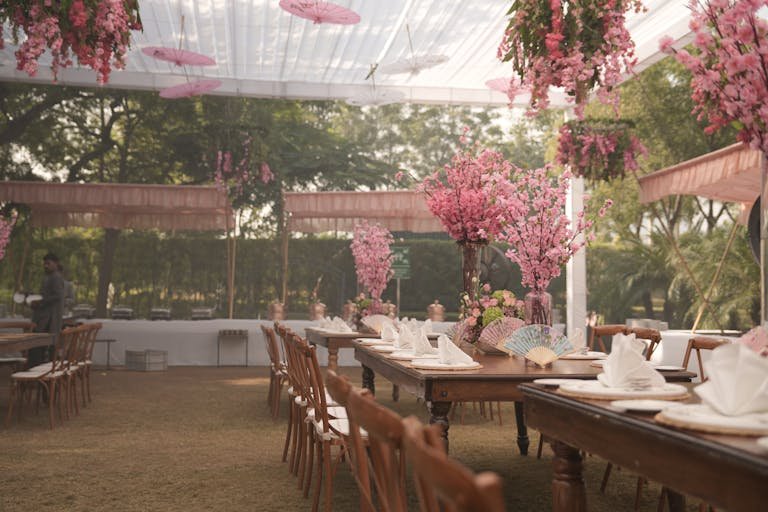
Farmhouse lawns are attractive for colourful décor, dance space and flexible seating. Before choosing one, check sound limits, flooring, power, toilets, vendor access and the weather plan. A banquet hall reduces outdoor risk and can be easier for a heavily choreographed programme, but it may offer less freedom for installations or open-air movement.
Baraat and walima
Large guest arrivals make parking, drop-off and circulation more important. A big lawn is not automatically easier if the gate is narrow or cars must queue on a public road. A banquet hall is not automatically easier if several functions share the same entrance. Walk the guest journey at the expected event time before deciding.
When the broader wedding-venue hub is live, this section should link to it rather than expand into a second full wedding guide.
Don’t Miss: 10 Reasons Why Guests Love Staying with Homyn
What About Birthdays, Anniversaries and Family Celebrations?
For smaller private celebrations, the choice is often about how the group wants to spend the time. A farmhouse can support a poolside lunch, lawn games, children’s activities, barbeque zones or a gathering that moves between rooms and outdoors. The host gets more freedom, but also more responsibility for supervision, weather and service coordination.
A banquet hall can make sense when the event is mainly seated dining, speeches, music and a fixed programme. It may also be easier when the guest list includes many elderly relatives or when the family wants one venue team handling most operational details.
Farmhouse or Banquet Hall for a Corporate Event?
Companies should start with the business outcome. If the event needs a screen-led presentation, reliable Wi-Fi, controlled acoustics and a formal seated programme, an indoor hall may reduce technical risk. If the goal is a leadership offsite, private dinner, team retreat or brand experience, a private farmhouse or villa can create a more distinctive environment.
For either option, confirm screen sightlines, microphones, power, internet, registration flow, branding permissions, loading access and a quiet organiser area. A photogenic setting is useful only when the programme still works.
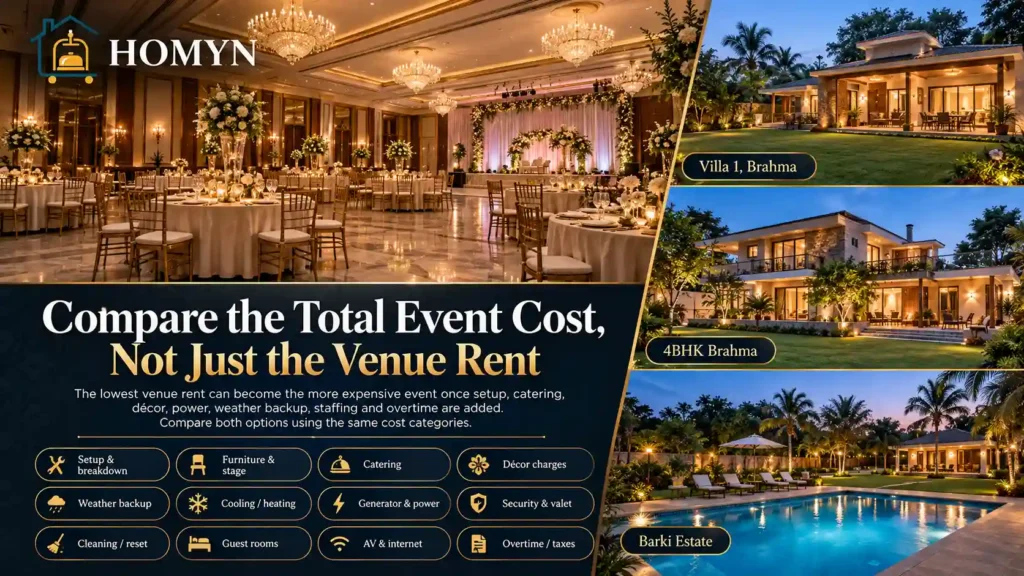
Compare the Total Event Cost, Not Just the Venue Rent
The cheapest quoted venue can become the more expensive event once the missing pieces are added. Compare both options using the same cost categories.
A banquet package may include more basics, while a farmhouse may let you choose suppliers individually. Either model can be economical or expensive. The useful comparison is the final cost of delivering the event you want, with realistic backup requirements included.
Use These 10 Questions to Make the Decision
Useful rule: Do not pay for “potential.” If the event depends on a backup room, a family room, a certain lawn, outside catering, overnight stay, generator capacity or extended setup access, make sure that specific item is confirmed in the current written terms.
How to Shortlist the Right Property with Homyn
Once you know the event type, city, guest range and non-negotiables, stop comparing farmhouse and banquet hall as abstract categories. Compare real properties against the same brief.
You can browse suitable private event venues on Homyn and shortlist the options that fit your location and event needs. Homyn’s wider event properties or luxury villa rentals in Pakistan includes private spaces such as farmhouses, villas, lawns and heritage properties, so the final decision can be based on the property itself rather than a label.
For a useful enquiry, share the date, city, event type, expected guest range, preferred indoor/outdoor setup, key vendor needs, parking concerns and whether any guests need to stay overnight. The clearer the brief, the easier it is to rule out unsuitable options before a site visit